

Key takeaways
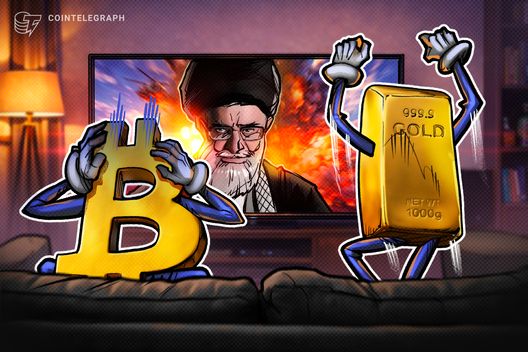
The 2026 Iran conflict created a major geopolitical shock that triggered volatility across global markets. It pushed investors to reassess traditional safe-haven assets such as gold and emerging alternatives like Bitcoin.
Gold initially benefited from safe-haven demand but later declined as the US dollar strengthened and bond yields rose. This showed that macroeconomic forces can override crisis-driven buying.
Bitcoin experienced volatility but recovered quickly, reflecting its growing role as an alternative asset. However, its price movements remained closely tied to market sentiment and liquidity conditions.
The strength of the US dollar played a key role in shaping both gold and Bitcoin’s performance, as rising demand for dollar liquidity influenced global asset flows.
Throughout history, geopolitical conflicts and periods of political instability have consistently triggered shifts in financial markets. When geopolitical tensions escalate, investors often seek to safeguard their capital by reallocating into perceived safe-haven assets that are expected to hold or increase in value during uncertain periods.
Gold has long been the benchmark safe-haven asset, prized for its scarcity, universal acceptance and track record as a store of value. In recent years, however, the rise of Bitcoin (BTC) has prompted widespread debate. Could this decentralized digital currency eventually assume a comparable role as a modern, borderless alternative?
This article explains how Bitcoin and gold responded differently to the geopolitical shock of the Iran war. It analyzes their price movements, market behavior and safe-haven roles, and examines what this divergence reveals about investor sentiment, liquidity dynamics and the evolving debate between traditional and digital stores of value.
2026 Iran conflict: A major geopolitical shock that rattled global markets
The 2026 Iran conflict offered a high-profile, real-time case study to examine whether Bitcoin behaved like a safe-haven asset. The conflict sent shockwaves through financial markets worldwide. Escalating military actions and threats to close the Strait of…
..


